

Salary Or Value | Why Flexibility and Culture are Redefining A Dream Job
Posted by Steve Thomas , Construction Recruitment Director, UK & Canada on Friday, March 6, 2026
For decades, salary was often the defining factor when construction professionals evaluated a job opportunity. While remuneration still matters, particularly in competitive sectors such as quantity surveying, project management and specialist construction consultancy roles, it feels like the idea of the “dream job” in 2026 has evolved significantly.
We specialise in construction recruitment and focus on skill sets including quantity surveyor recruitment and project management recruitment. We speak daily with professionals considering their next career move. Increasingly, we hear the same feedback and preferences; candidates are using a concept of value wider than just salary level when considering their job offers.
Today’s most attractive roles combine competitive pay with meaningful work, career progression, supportive company culture and flexibility that allows people to live balanced lives. Employers who recognise this shift are not only attracting stronger candidates but also retaining them for the long term.
Salary Still Matters | But It’s No Longer Everything
Of course, salary remains a key consideration. Competitive pay reflects professional expertise and the value that construction professionals bring to complex projects.
Whether someone is considering a cost consultant job, project management roles, construction consultancy positions or specialist dispute resolution career opportunities, compensation must be fair relative to experience, responsibility and market conditions. Discussions around quantity surveyor salary levels, for example, are still among the most searched career topics in the construction sector and we prepare a salary guide annually to reflect this.
However, candidates increasingly view salary as only one component of the total employment package. When professionals reach a certain level of experience, they often prioritise other aspects of their work environment and long-term career prospects. In short; a high salary may attract talent, but it does not necessarily retain it.
Career Progression and Professional Development
One of the most significant factors influencing career decisions today is the opportunity for long-term development.
Construction professionals want to work in organisations where they can continue learning and advancing. That might include:
- Exposure to increasingly complex projects
- Structured career progression pathways
- Support with chartership and professional accreditation
- Access to mentorship from senior professionals
- Opportunities to move into leadership or specialist roles
For example, a quantity surveyor, project coordinator or project manager may initially join a consultancy for experience on large infrastructure or commercial developments, but their long-term satisfaction often depends on whether the employer continues to invest in their development.
Professionals who feel they are learning, progressing and expanding their capabilities are far more likely to stay with an organisation.
The Challenge and Satisfaction of Complex Projects
Construction professionals are typically motivated by the opportunity to work on challenging and meaningful projects.
Delivering a complex infrastructure scheme, resolving a difficult commercial dispute, managing costs on a major development or contributing to innovative engineering solutions can provide enormous professional satisfaction.
The opportunity to say “I helped deliver that project” remains one of the most powerful motivators in construction careers.
This is why many candidates prioritise employers who:
- Work on technically challenging projects
- Deliver high-profile developments
- Encourage problem-solving and innovation
- Trust professionals with meaningful responsibility
In many cases, the satisfaction of contributing to something significant outweighs marginal differences in salary.
Work–Life Balance: From “Living to Work” to “Working to Live”
Perhaps the most significant shift we have observed in recent years is the growing importance of work–life balance.
The construction industry has historically been associated with long hours and demanding project schedules. While dedication and commitment will always be part of the profession, many professionals now expect their employers to recognise that sustainable performance requires balance.
Candidates frequently tell us they are seeking roles where they can:
- Maintain a healthy balance between work and personal life
- Spend time with family and pursue interests outside work including regular sports activities
- Avoid unrealistic or excessive workloads
- Work within teams that support rather than exhaust their members
In other words, professionals increasingly want to work to live, rather than live to work.
Employers who create environments where people can thrive without burning out are becoming far more attractive in the recruitment market.
Flexible Working That Works for Everyone
Flexibility is also becoming a defining feature of desirable construction careers.
The most successful employers recognise that flexibility does not mean compromising business performance. Instead, it means finding ways to balance organisational needs with individual circumstances.
This may include:
- Hybrid working arrangements where appropriate. Sometimes these arrangements are even committed to in employment contracts
- Flexible start and finish times
- Trust-based management cultures
- Support for different life stages and personal commitments
The key is adaptability. Successful companies recognise that personal circumstances change over time, and they create environments where flexibility can evolve alongside both individual careers and business requirements. When done well, this approach strengthens team loyalty and long-term retention.
Culture and Team Environment Matter More Than Ever
Another defining characteristic of the modern “dream job” is culture.
Candidates consistently tell us they want to work in environments where:
- Colleagues collaborate rather than compete internally
- Leadership is supportive and accessible
- Expectations are realistic and clearly communicated
- Success is recognised and shared across the team
A positive culture can dramatically influence job satisfaction. Even highly paid professionals will eventually leave organisations where the culture leads to stress, conflict or burnout. Conversely, strong team environments often create loyalty that keeps talented individuals within a company for many years.
How Maxim Recruitment Supports the Right Match
At Maxim Recruitment, we focus on working with employers who recognise that attracting and retaining the best construction professionals requires more than just offering a competitive salary.
The most successful organisations we partner with understand that long-term career satisfaction comes from a combination of:
- Competitive remuneration
- Career progression opportunities
- Challenging projects
- Professional development
- Healthy work–life balance
- Supportive workplace culture
Encouragingly, this approach is reflected in the feedback we receive from both candidates and employers. Many of the testimonials shared on our website, highlight the importance of finding the right cultural and professional fit, not simply the highest-paying role.
This alignment benefits everyone involved: candidates build fulfilling careers, employers retain talented teams, and projects benefit from experienced professionals who are genuinely engaged in their work.
The Future of Construction Careers
As we move through 2026, the definition of the “dream job” in construction continues to evolve.
Salary remains important, but it is no longer the sole deciding factor. Today’s professionals want careers that challenge them intellectually, allow them to grow professionally and support balanced lives outside work.
Employers who understand this shift—by offering meaningful work, flexible environments and supportive cultures—are emerging as the most successful in attracting and retaining talent.
At Maxim Recruitment, we are proud to work with organisations that share this forward-thinking approach to employment in the construction industry.
If you are considering your next move in construction careers, quantity surveying, project management or specialist consultancy roles, we would be pleased to hear from you.
We welcome you to send us your CV and arrange a confidential conversation with one of our consultants to explore opportunities that offer not just a competitive salary, but genuine long-term career value.
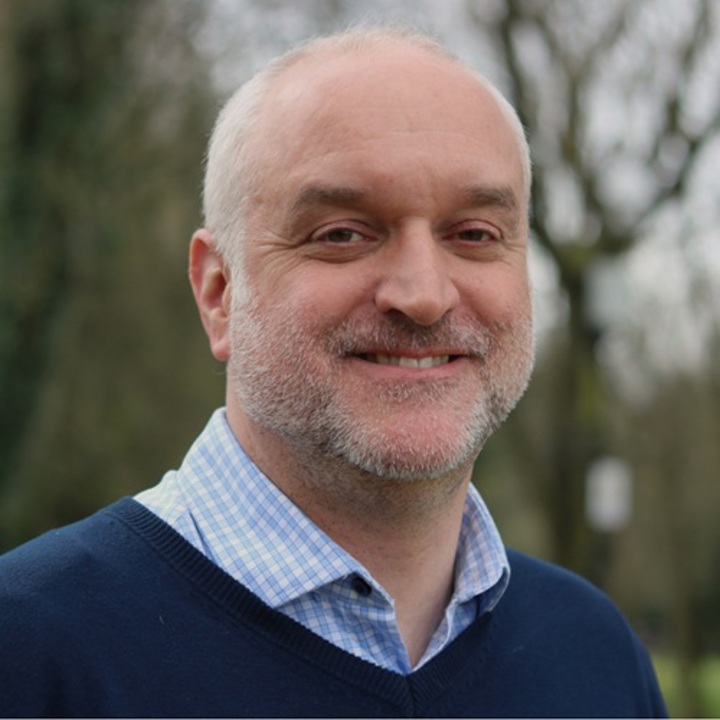
Steve is responsible for Maxim Recruitment in the UK and Canada. He is based in the Maxim head office in Leicester, UK and the Toronto office in Canada. He regularly travels to meet employers and job seekers and attend construction industry networking events in the UK, Canada and worldwide. Steve has over 25 years of experience in construction and property recruitment and enjoys working with many repeat clients. He manages dedicated search and headhunting assignments for a range of premium UK, Canadian and international clients.